Google Ads cost: how to set a budget for your business
How much does Google Ads cost? Use a worked budget worksheet to estimate ad spend, agency fees and cost per customer before you launch
Related services Paid media & demandConversion & measurement
The short answer
There is no fixed price for Google Ads: the right budget comes from what a new customer costs you and what that customer is worth
- What you pay for media spend to Google, plus the work, creative and tracking around it
- What a customer costs the click price divided by the share of clicks that end up paying
- What you can afford the profit a customer brings after variable costs, not the revenue
- Where to start a budget you could live with in a cautious case, and a date to review it
All figures in the examples below are illustrative assumptions in US dollars, not market averages
“How much should we spend on Google Ads?” is usually the first question, and it’s the hardest one to answer directly
A more useful question is how much you can afford to pay for one new customer, and how long you can wait to get that money back
Answer those two, and the monthly figure mostly follows; the worksheet below does the arithmetic, and the rest of this article is about what the numbers are telling you
What the money actually buys
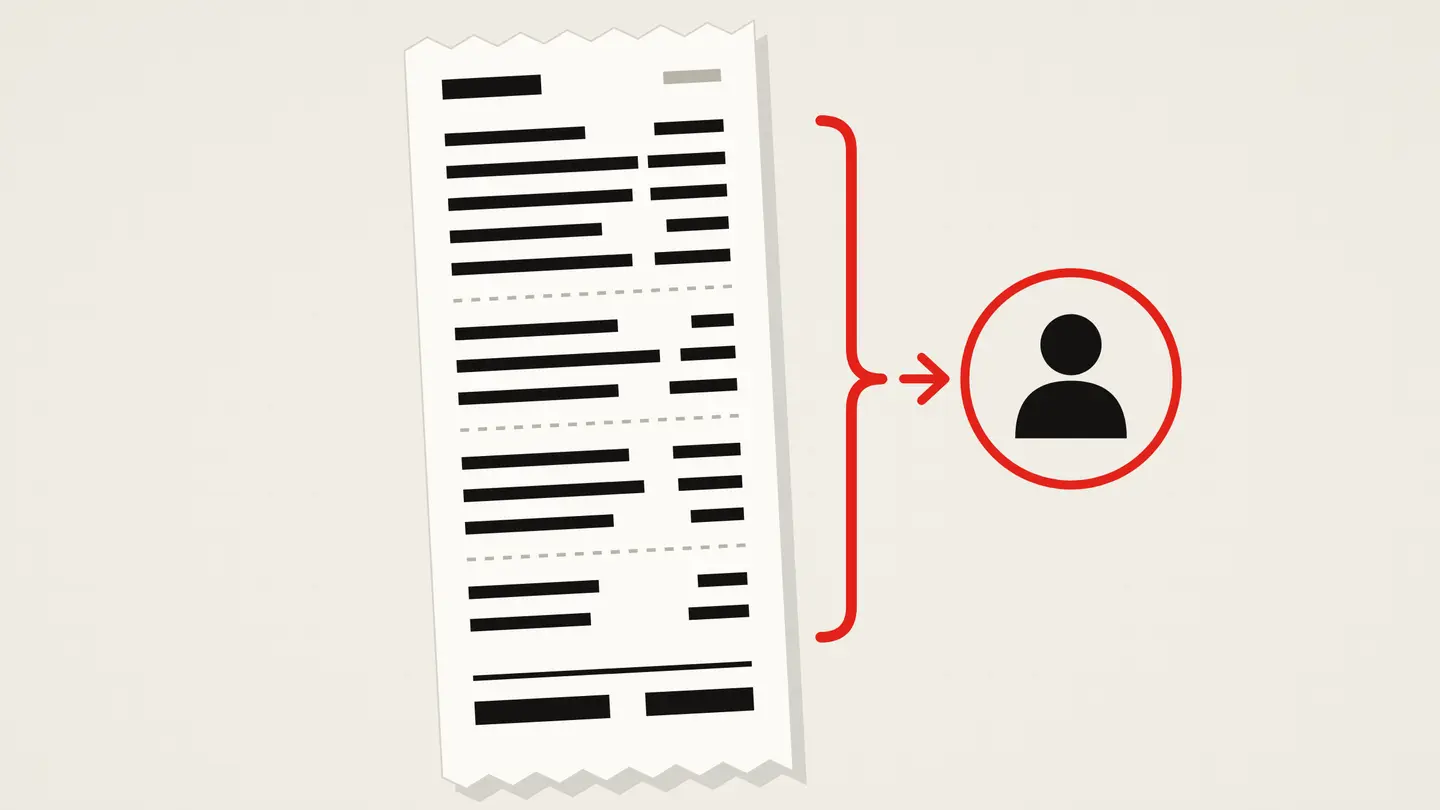
Google’s invoice is only one of four lines:
- Media spend goes to Google; on Search you pay when someone clicks, with no flat fee or subscription
- Management is the planning, building and weekly improvement of the campaigns, whether that’s an agency fee, a freelancer or hours from your own team
- Creative and the landing page: ad copy, images or video for some campaign types, and the page people arrive on
- Measurement: conversion tracking, call tracking and some way of seeing which enquiries became customers
When two proposals compare only media budgets, the cheaper-looking one can still cost more per customer once the other three lines are counted
You set media spend as an average daily budget: on a busy day a campaign can spend up to twice that amount, but for most campaigns the month’s charge stays within 30.4 times the daily figure
In practice: a monthly media budget of 1,520 USD is a daily budget of about 50 USD, and a single day that spends 90 USD is normal behaviour, not a reason to pull the plug
Why the same budget buys very different results
Click prices are set in a live auction, so they move with competition, location, season and targeting
Relevance matters as well: a more relevant ad can win the auction at a lower price
The 1 to 10 Quality Score in your account is a diagnostic, not an input to the auction itself, so use it to find weak ads and pages rather than as a target
Campaign types are priced differently too: Search per click, Display often per thousand impressions, YouTube video per view and Local Services Ads per lead
That is why we’d set aside most published “average cost” figures when planning your budget: they mix countries, industries and campaign types, and your own cost can sit far from the average
A range for your own keywords in your own market is worth more than any benchmark
Work out what a customer costs
Start from the customer and work back to the click
Service business: media cost per customer = cost per click ÷ (click-to-lead rate × lead-to-customer rate)
Online shop: media cost per purchase = cost per click ÷ purchase conversion rate
Each rate needs a clear denominator and the same period: click-to-lead is enquiries divided by ad clicks, and lead-to-customer is paying customers divided by those enquiries
Where the inputs come from:
- Cost per click: your own account history, or Keyword Planner, which shows the average cost for ads on searches for a keyword in the market you choose
- Click-to-lead or purchase rate: website analytics for comparable visitors, or results from earlier campaigns
- Lead-to-customer rate: your sales records, CRM or inbox; count the enquiries of the last few months and the ones that paid
- Contribution per customer: revenue from the customer minus the variable costs of serving them, such as product cost, delivery, payment fees and the hours the job takes
The lead-to-customer rate is the easiest one to get wrong, because it lives outside the ad account
A rough count from your own records beats a confident guess, and as the examples below show, it can move the result more than the click price does
The budget worksheet
Fill in your own column; the two example columns are illustrative assumptions, in US dollars, for one month
| Line | What to enter or calculate | Service example | Shop example |
|---|---|---|---|
| A · Cost per click | From your account or Keyword Planner | 4.00 USD | 1.20 USD |
| B · Click-to-lead rate | Enquiries ÷ ad clicks | 5% | not used |
| C · Lead-to-customer rate | Paying customers ÷ enquiries | 25% | not used |
| D · Purchase conversion rate | Orders ÷ ad clicks | not used | 2% |
| E · Media cost per customer | A ÷ (B × C), or A ÷ D | 4.00 ÷ 0.0125 = 320 USD | 1.20 ÷ 0.02 = 60 USD |
| F · New customers you want per month | Your target | 6 | 100 |
| G · Monthly media budget | E × F | 1,920 USD | 6,000 USD |
| H · Other monthly costs | Management, creative, tracking | 1,000 USD | 1,500 USD |
| I · All-in cost per customer | (G + H) ÷ F | 2,920 ÷ 6 = 487 USD | 7,500 ÷ 100 = 75 USD |
| J · Contribution per customer | Revenue minus variable costs | 900 USD | 45 USD (90 order, 45 costs) |
| K · Result per customer | J − I | +413 USD | −30 USD on the first order |
Line H is a monthly cost that doesn’t grow with each click, so it is added once and spread over the month’s customers
If an agency charges a share of ad spend, put that amount in line H and leave the click price alone, or you count it twice
The daily budget to enter in Google Ads is line G divided by 30.4: about 63 USD for the service example and about 197 USD for the shop
What the two examples are telling you
The service business has room to spare at these rates, and the more interesting question is which assumption could hurt it
If only 15% of enquiries become customers instead of 25%, the media cost per customer jumps from 320 to 533 USD and the all-in cost to 700 USD
The job still pays, but the margin per customer falls by about half
A 25% rise in click price, from 4 to 5 USD, only adds 80 USD per customer
So before arguing about click prices, we’d look at what happens to enquiries once they arrive
If you can’t say roughly how many become customers, that is the first number to find
The shop loses 30 USD on every first order
That can be a deliberate choice, but only if you know what happens next
With the same 45 USD contribution on each repeat order, breaking even takes about two repeat orders for every three new customers
Your past order history will tell you whether that is realistic, and it is worth checking before you launch rather than after
Even when the repeat orders arrive, they arrive later
Hoped-for repeat orders cannot pay this month’s bills, so the shop also needs enough cash to carry the gap
Three kinds of numbers sit in any plan like this: assumptions you put in, a forecast that follows if they hold, and facts that the account and your records show after launch
Replace assumptions with facts line by line as data comes in, starting with the lines that move the result most
Decide what you can afford
Set the ceiling from contribution, not revenue
A 1,500 USD job with 600 USD of materials and labour leaves 900 USD to pay for winning the customer, not 1,500
Then decide how long you can wait for that money to come back
A shop that relies on repeat orders needs cash to carry the gap, and a service with a long sales cycle needs a budget that runs long enough for enquiries to turn into customers
A workable limit has three parts: the highest all-in cost per customer you’ll accept, the monthly spend you can carry while results build up, and the date on which you review both
If the worksheet shows a loss at every realistic rate, more budget won’t fix it
The offer, the price, the page or the follow-up has to change first, and marketing strategies for small businesses helps decide whether another channel deserves the money instead
When the campaign is new
With no history, you don’t know your rates yet, so plan with ranges rather than single numbers:
- Use Keyword Planner forecasts for your keywords and location to estimate the average cost per click, then test a more expensive scenario; top-of-page bid ranges are bidding estimates, not your expected CPC
- Take the conversion rate of your current website traffic as a starting point, and a cautious version of it, for example half
- Count how many of your existing enquiries became customers, whichever channel they came from
- Fill in the worksheet twice, cautious and expected, and commit only to the budget you could live with in the cautious case
Make sure that budget buys enough clicks to learn something: 1,920 USD at 4 USD a click is 480 clicks, which at a 5% rate means about 24 enquiries in the month, and about 12 if the rate is half
Set up conversion tracking before the first click, and agree in advance which number will show that the campaign works; Google Ads clicks but no customers covers what to check if the clicks arrive and the customers don’t
What to ask an agency before you start
The answers to these questions decide what you’ll be able to check later, which matters more than the size of the fee
- How is the fee calculated: a fixed monthly amount, a share of ad spend or a mix, and what does it include?
- Who owns the Google Ads account, the tracking and the data if you part ways?
- Is building or improving the landing page part of the work, and who writes the ads?
- Which number will you judge the campaign by, such as qualified enquiries, sales or cost per customer, and when?
- What happens to the budget and the plan if results come in below the cautious case?
- How long is the minimum term, and how much notice does it take to stop?
If you’d like someone to pressure-test your numbers with you, Implement’s services cover paid media and measurement in one plan
Planning a Google Ads budget?
Tell us what you sell, where, and which numbers you already have, and we’ll talk through a budget your business can carry
Discuss your budget on Telegram